
Process Reliability | System 03
Flotation Reagent Dosing System
Flotation only works as well as its reagent dosing. This system measures each reagent line with a precise micro gear flowmeter and feeds the result into your control system, so dosing is based on what was actually delivered.
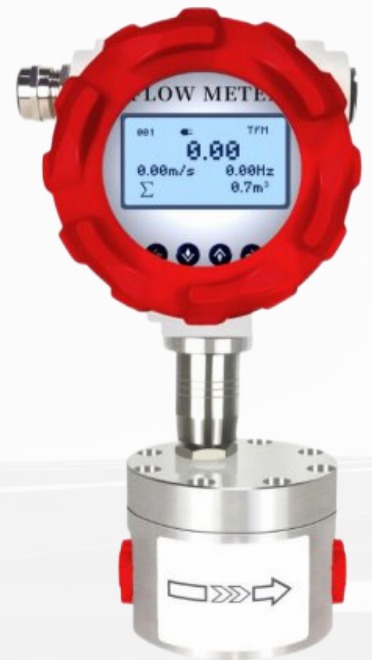
±0.5% of reading
Flow Accuracy
0.1%
Repeatability
4-20 mA, Modbus-RTU
Signal
RS485 Modbus-RTU
Communication
DEFINITION & OVERVIEW
What is a Flotation Reagent Dosing System?
Flotation uses small amounts of chemical reagents, such as collectors and frothers, to help fine coal separate from the water and mineral matter around it. The amounts are small, but they matter. Too little and recovery suffers. Too much and the plant pays for reagent it did not need, and the froth can behave badly.
The trouble is that these flows are tiny and hard to measure well. A flowmeter built for big slurry lines tells you very little about a reagent line moving a trickle of liquid. A typical coal flotation circuit doses at least two reagents, a collector and a frother, and larger circuits add others such as a depressant or a pH modifier, so a plant usually needs several metered lines. Our Flotation Reagent Dosing System starts with the right measuring instrument for that job: a micro gear flowmeter on each reagent line and a positive displacement meter where small, accurate and repeatable volumes matter more than turndown.
Each meter delivers ±0.5% of reading accuracy and 0.1% repeatability and sends 4-20 mA, pulse or RS485 Modbus-RTU signals to the control system. Operators see the reagent flow and total on the plant screen, and dosing can be set and checked against a real measurement. Read more about the instrument on our Micro Gear Flowmeter page, and see the equipment these lines feed on our Flotation Machine page.
Measures
What Was Delivered A flowmeter on each reagent line shows the volume actually dosed, not just what the pump was told to do.
Built for Small Flows
Micro gear flowmeters are designed for reagent lines where small, repeatable volumes matter.
Into Your Control System
4-20 mA, pulse and Modbus-RTU signals connect to the PLC or SCADA already running the plant.
Parameter | Value |
|---|---|
Measuring Element | Micro gear flowmeter, one per reagent line |
Flow Accuracy | ±0.5% of reading |
Repeatability | 0.1% |
Resolution | 0.001 unit |
Output | 4-20 mA (2, 3 or 4-wire), pulse, two switch outputs |
Communication | RS485, Modbus-RTU |
KEY FEATURES
Key Features & Performance Highlights
What a measured dosing system gives a flotation circuit.
Dosing You Can Check
With a flowmeter on every reagent line, the operator can compare what was set against what was delivered. A pump that drifts or a line that partly blocks shows up as a difference, not as a surprise in the concentrate.
The Right Meter for the Job
Reagent lines carry small volumes, so the system uses a positive displacement micro gear meter chosen for accuracy and repeatability at small flows, not a large-line meter pressed into the wrong duty.
Repeatable Dose, Shot After Shot
0.1% repeatability and 0.001 unit resolution mean the same dose gives the same reading, and small changes in dosing are visible straight away.
Fits the Plant You Have
Standard 4-20 mA, pulse and Modbus-RTU outputs connect to an existing PLC, dosing controller, or SCADA, and an LCD on the meter helps the operator at the dosing point.
Supports Reagent Efficiency
Measured dosing is the first step to using reagent where it is needed and no more, which supports process consistency and cost control.
WORKING PRINCIPLE
How the Flotation Reagent Dosing System Works
From the reagent line to the operator screen.
Meter Each Reagent Line
A micro gear flowmeter is fitted on each collector, frother or other reagent line. Matched gears divide the flow into known volumes.
Count and Convert
A non-contact sensor counts every gear tooth, and the electronics convert the count to flow rate and total at ±0.5% of reading.
Signal to Control
4-20 mA, pulse or Modbus-RTU carries the result to the PLC, dosing controller or SCADA.
Dose and Verify
The control system compares measured flow with the dosing set point, so dosing is adjusted and checked against a real reading.
See and Report
Operators see flow trends and the totalized consumption for each reagent line on the plant screen, and a deviation from the set point can raise an alarm.
TECHNICAL SPECIFICATIONS
Flotation Reagent Dosing System | Specification
The measuring element is fully specified. System scope is confirmed by Engineering per project.
Parameter | Specification |
|---|---|
Measuring Element | Micro gear flowmeter, one per reagent line |
Flow Accuracy | ±0.5% of reading |
Repeatability | 0.1% |
Output and Communication | 4-20 mA, pulse, RS485 Modbus-RTU |
COMPARISON
Measured Dosing vs. Dosing by Estimate
Flotation Reagent Dosing System
Dosing by Pump Setting or Tank Level
Applications of the Flotation Reagent Dosing System
Wherever reagent is dosed into a flotation circuit.
Collector Dosing
Measures the collector line, where small changes in dose can change recovery.
Frother Dosing
Measures the frother line, which influences froth behavior.
Coal Flotation Circuits
Fits the fine coal flotation stage of a coal washery.
Reagent Consumption Tracking
Totalized flow gives a measured reagent consumption figure for cost control.
Retrofit on Existing Dosing Lines
Standard outputs allow a meter to be added to an existing dosing line and control system.
About John Finlay
Process Reliability Systems from John Finlay
Why John Finlay?
±0.5%
Accuracy of Reading
On every metered reagent line, with 0.1% repeatability.
130+
Coal Washery Projects
Completed EPC projects worldwide, including Asia’s largest coking coal washery at 30 MTPA.
EPC
Full Circuit Supply
Supplied as part of a complete instrumentation and automation offering across the coal preparation flowsheet.
IN
India-Based Support
Manufactured at Hefei John Finlay Mining Equipment Co., Ltd. and supported locally in India for installation, commissioning, spares and service.
Flotation Reagent Dosing System | Frequently Asked Questions
Common questions from plant engineers looking at reagent dosing.
Reagent dose affects recovery and cost, and the flows are small. Measuring each line shows what was actually delivered, so over-dosing, under-dosing, and pump drift can be seen and corrected.
A micro gear flowmeter on each reagent line, accurate to ±0.5% of reading with 0.1% repeatability. See the Micro Gear Flowmeter page for the full specification.
Through 4-20 mA, pulse or RS485 Modbus-RTU outputs, it can feed an existing PLC, dosing controller or SCADA.
The measuring side is fully specified. Dosing pumps, the controller, and the panel scope depend on the project, and our engineers confirm it with you.
It is designed for flotation reagent lines such as collectors and frothers.
Yes. The meter totals flow with 0.001 unit resolution, so reagent consumption can be reported by line.
Want to know exactly how much reagent your flotation circuit uses?
Our engineers can help you plan measured dosing for each reagent line.
Talk to an ExpertRelated Equipment
Micro Gear Flowmeter
The measuring instrument at the heart of this system.
Flotation Machine
The flotation equipment these reagent lines feed.
Electromagnetic Flowmeter
For larger conductive slurry and water lines
Instrumentation Overview
All John Finlay instruments and control systems.