
SYSTEM 02 | SLURRY WATER & THICKENER CIRCUIT
Thickener Instrumentation System (System 02)
Flow, turbidity, mud-water interface and concentration closing the water balance and control flocculant on a coal slurry thickener. These can be supplied as individual instruments or as a complete measurement and dosing control scheme.
6 Standard + 1 Optional
Instruments in Set
1–3%
Interface Level Accuracy
±0.001 g/cm³
Underflow Density Accuracy
0–4,000 NTU
Turbidity Range
DEFINITION & OVERVIEW
What is the Thickener Instrumentation System?
A coal slurry thickener does two jobs at once: it clarifies overflow water for recycling, and it concentrates underflow solids for downstream dewatering. Both jobs depend on measurements; most washers either don't take continuously, or don't take at all bed level, underflow density, overflow clarity, and the flow feeding and leaving the thickener.
The Thickener Instrumentation System is the standard instrument set John Finlay specifies for a coal slurry thickener: flow measurement on the feed, underflow and flocculant lines; an ultrasonic interface meter tracking bed level; a turbidity meter on the overflow; and underflow density measured by either a tuning-fork or differential pressure instrument, whichever suits the duty.
It's supplied either as individual instruments for a plant filling specific gaps or as a complete measurement and dosing control scheme where flocculant addition and underflow density are actively controlled against the instrumentation, not just monitored by it.
Closes the Water Balance
Flow measurement on feed, underflow and flocculant lines gives the data needed for an accurate thickener water balance.
Controls Flocculant Dosing
Bed level and underflow density feedback support active flocculant dosing control, not just after-the-fact monitoring.
Supplied Flexibly
Available as individual instruments to fill specific gaps, or as a complete measurement and dosing control scheme.
Parameter | Value |
|---|---|
Thickener Feed Flow | Non-full-pipe electromagnetic flowmeter (1x) |
Underflow / Flocculant Flow | Electromagnetic flowmeter (2x) |
Bed Level | Ultrasonic mud-water interface meter, accuracy 1–3% (1x) |
Overflow Clarity | Turbidity meter, 0–4,000 NTU, ±2% FS or ±0.1 NTU (1x) |
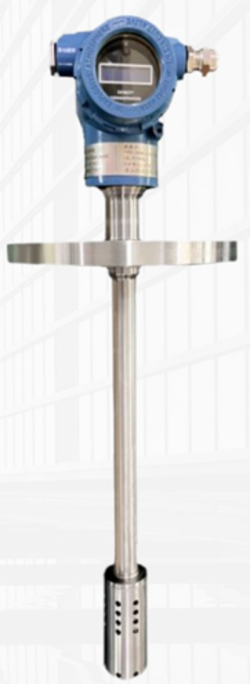
Underflow Density (Insertion) | Tuning-fork concentration meter, ±0.001 g/cm³ (1x) |
Underflow Density (In-line) | Differential pressure concentration meter, ±0.1% (1x) |
Magnetite Carry-Over | Magnetic content meter (optional, where relevant) |
KEY FEATURES
Key Features & Performance Highlights
Each instrument in the system is chosen for a specific measurement point on the thickener, not a generic sensor applied across the whole circuit.
Two Underflow Density Options
A tuning-fork concentration meter (±0.001 g/cm³ accuracy, wetted parts in 316L, Hastelloy, titanium or zirconium) suits duties needing the highest precision, while a differential pressure alternative avoids any insertion element in an abrasive stream twin-flange DP across a fixed vertical separation and computes concentration with no wear part in the flow, at materially lower installed cost.
Combined Turbidity and Interface Measurement
The overflow turbidity meter (0–4,000 NTU, scalable to sludge concentration up to 120,000 mg/L) and the ultrasonic mud-water interface meter (up to 70 m range to order) are specified together, since clarity and bed level are the two numbers that actually tell you whether the thickener is performing.
Non-Full-Pipe Feed Measurement
Thickener feed lines commonly run partially filled, which is why the feed flow instrument in this system is the velocity-area, non-full-pipe design rather than a standard full-pipe flowmeter that would misread on this specific line.
WORKING PRINCIPLE
How the Thickener Instrumentation System Works Together
Each instrument feeds a specific measurement into the same water balance and dosing control picture.
Feed Flow Measurement
The non-full-pipe electromagnetic flowmeter measures thickener feed flow on the partially filled feed line.
Underflow and Flocculant Flow
Two standard electromagnetic flowmeters measure underflow and flocculant/water line flow, closing the flow side of the water balance.
Bed Level Tracking
The ultrasonic mud-water interface meter continuously tracks bed level, which is the key variable for knowing how much solids inventory is in the thickener.
Underflow Density Measurement
A tuning-fork or differential pressure concentration meter measures underflow density, whichever suits the duty and abrasiveness of the stream.
Overflow Clarity Check
The turbidity meter confirms overflow water quality before it's recycled or discharged.
Dosing Control (Full Scheme)
Where supplied as a complete scheme, bed level and density feedback drive flocculant dosing control automatically rather than on a fixed rate.
TECHNICAL SPECIFICATIONS
Thickener Instrumentation System | Full Specification
Specifications sourced directly from John Finlay’s instrumentation documentation, covering all six standard instruments plus the optional magnetic content meter.
Instrument | Key Spec | Application |
|---|---|---|
Non-full-pipe electromagnetic flowmeter | Flow ±1.5%; DN100–DN6000 | Thickener feed (partially filled) |
Electromagnetic flowmeter (×2) | Accuracy 0.5%; Exd IIC T6 | Underflow; flocculant/water lines |
Ultrasonic interface meter | Accuracy 1–3%; range to 70m | Mud-water bed level |
Turbidity meter | 0–4,000 NTU; ±2% FS | Overflow water clarity |
Tuning-fork concentration meter | ±0.001 g/cm³; 0–2 g/cm³ | Underflow density (insertion) |
DP concentration meter | ±0.1%; 0–4 g/cm³ | Underflow density (in-line) |
Magnetic content meter (optional) | - | Magnetite carry-over, where relevant |
COMPARISON
Instrumented Thickener vs. Manually Monitored Thickener
With Thickener Instrumentation System
Manually Monitored Thickener (Typical)
Applications of the Thickener Instrumentation System
This system is specified wherever a coal slurry thickener's performance needs to be measured and controlled rather than assumed.
New Thickener Installations
This system is specified as a complete instrument set from the start for a new coal slurry thickener.
Retrofitting Existing Thickeners
Individual instruments can be added to an existing thickener to fill specific measurement gaps.
Flocculant Dosing Optimization
Bed level and density feedback enable a shift from fixed-rate to controlled flocculant dosing.
Water Balance Closure
Feed, underflow and flocculant flow measurements together close a water balance that's otherwise incomplete.
Overflow Water Quality Assurance
Continuous turbidity monitoring confirms overflow water meets clarity requirements before recycling or discharge.
High Near-Gravity Coal Circuits
Optional magnetic content monitoring addresses magnetite carry-over concerns specific to dense medium circuits feeding the thickener.
About John Finlay
Thickener Instrumentation Supplier in India
Why John Finlay?
6+1
Instruments in the Standard Set
Six standard instruments plus an optional magnetic content meter, covering flow, level, turbidity and density.
50+
Years of Coal Washery Experience
150+ coal washery projects completed. Designed Asia’s largest coking coal washery at 30 MTPA.
EPC
Full Circuit Supply
Supplied as part of a complete instrumentation and automation offering, integrated with density and process control instrumentation.
IN
India-Based Support
Engineered in-house and supported locally in India for installation, commissioning, and service.
Thickener Instrumentation System | Frequently Asked Questions
Common questions from engineers evaluating thickener instrumentation in coal washery processes.
A non-full-pipe electromagnetic flowmeter for thickener feed, two standard electromagnetic flowmeters for underflow and flocculant/water lines, an ultrasonic mud-water interface meter, a turbidity meter for overflow clarity, and a choice of tuning-fork or differential pressure concentration meter for underflow density, plus an optional magnetic content meter.
Yes, the system is supplied either as individual instruments to fill specific gaps or as a complete measurement and dosing control scheme.
The tuning-fork meter is an insertion instrument with very high accuracy (±0.001 g/cm³). The differential pressure alternative has no insertion element in the abrasive stream and a materially lower installed cost, trading some precision for durability and cost in abrasive service.
Thickener feed lines commonly run partially filled rather than full, which is exactly the condition a standard full-pipe flowmeter can’t measure accurately; the non-full-pipe design uses a velocity-area method built for this application.
Yes, when supplied as the complete measurement and dosing control scheme bed level and density feedback drive dosing control rather than a fixed dosing rate.
Not sure which thickener instruments you're missing?
Our engineers can review your current thickener setup and recommend individual instruments or the complete control scheme.
Talk to an ExpertRelated Equipment
Instrumentation Hub
All packaged instrumentation systems, grouped by process area.
Non-Full-Pipe Electromagnetic Flowmeter
The thickener feed flow instrument is included in this system.