
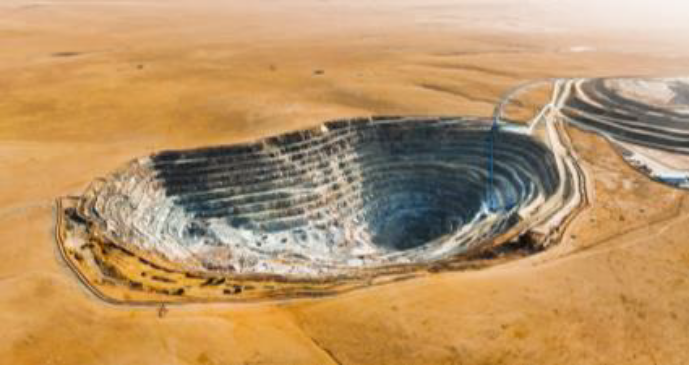
Abaga Banner Jindi Mining Co., Ltd., part of Beijing Jianlong Heavy Industry Group, operates the Jindi Molybdenum Mine in Inner Mongolia, China. After completing 1.4 km² of exploration and confirming reserves of 110 million tons, among the largest molybdenum deposits identified in the country, the group needed a way to pre-concentrate ore ahead of its 10,000 t/d mineral processing plant, rather than sending the full run-of-mine tonnage straight into grinding and flotation. John Finlay delivered this installation, fitting five Circle Series sensor-based ore sorters into the comminution circuit to achieve this.
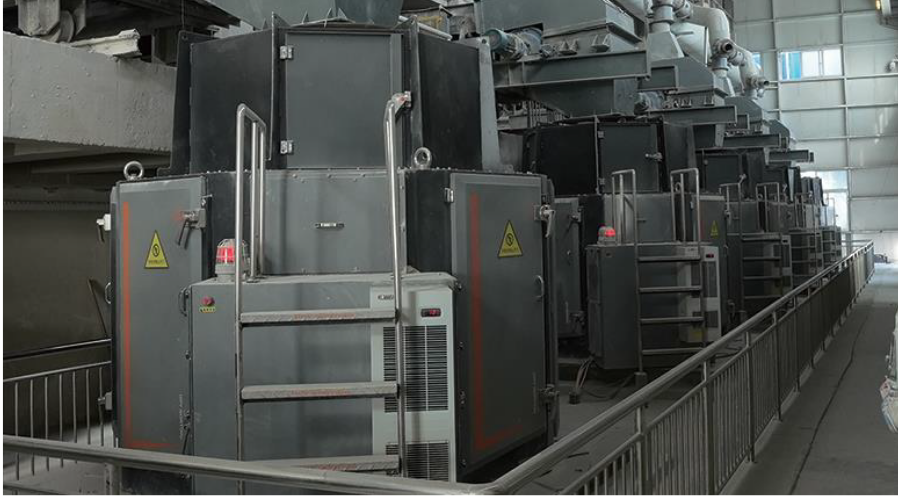
Rather than treating all run-of-mine ore through the full grinding and flotation circuit, Jindi installed five Circle Series ring-shaped sorters directly in the comminution process. The Circle Series identifies and rejects uneconomic waste rock at the +10–31.5mm stage before it consumes grinding power or flotation reagents, so only pre-concentrated material moves further downstream.
1. Sensor-Based Pre-Concentration
● Machines Used: Five Circle Series C1500 units
● Processing Capacity: 10,000 t/d combined, at the comminution stage
● Function: Rejects low-grade waste rock from +10–31.5mm feed ahead of grinding and flotation
● Concentrate Grade: 0.072% Mo
● Waste Rock Grade: 0.019% Mo
● Rejection Rate: 40.7%
● Recovery Rate: 85%
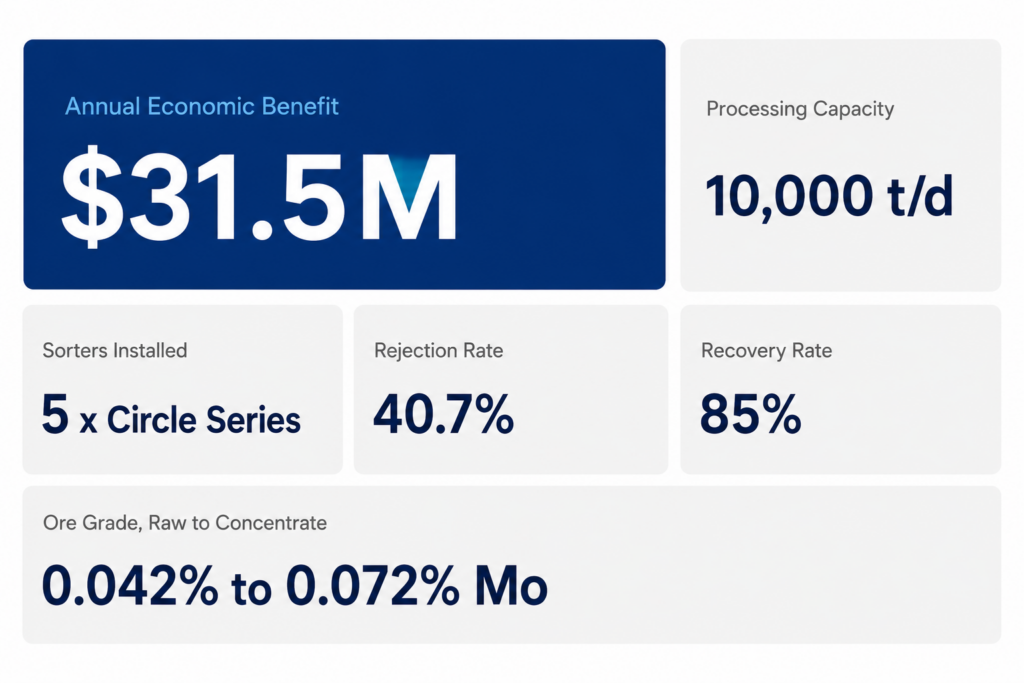
● Economic Efficiency: The five sorters generate an estimated $31.5 million in combined annual benefit: $4.6 million from reduced grinding and flotation costs, $4.02 million from construction aggregate sales on rejected material, and $27 million from 749.7 t/a of additional molybdenum recovered through higher ore grade.
● Environmental Impact: Rejecting 840,000 t/a of waste rock before it reaches the plant reduces tailings pond inflow, extending the facility's service life by several years.
● Operational Efficiency: Pre-concentrating ore at the comminution stage cuts the volume that grinding and flotation need to process, freeing capacity without adding plant infrastructure.
At Jindi, sensor-based sorting turns comminution into a filter rather than a bottleneck rejecting waste rock before it reaches grinding and flotation and turning that rejected material into a second revenue stream through construction aggregate sales. With an estimated $31.5 million in combined annual benefit, the installation shows how pre-concentration pays for itself on a large-tonnage molybdenum operation.