Molybdenum Ore Sorting Case Study: 42% Waste Rejection with 86.1% Recovery
Circle Series Pre-Concentration at Hengyu Molybdenum Mine
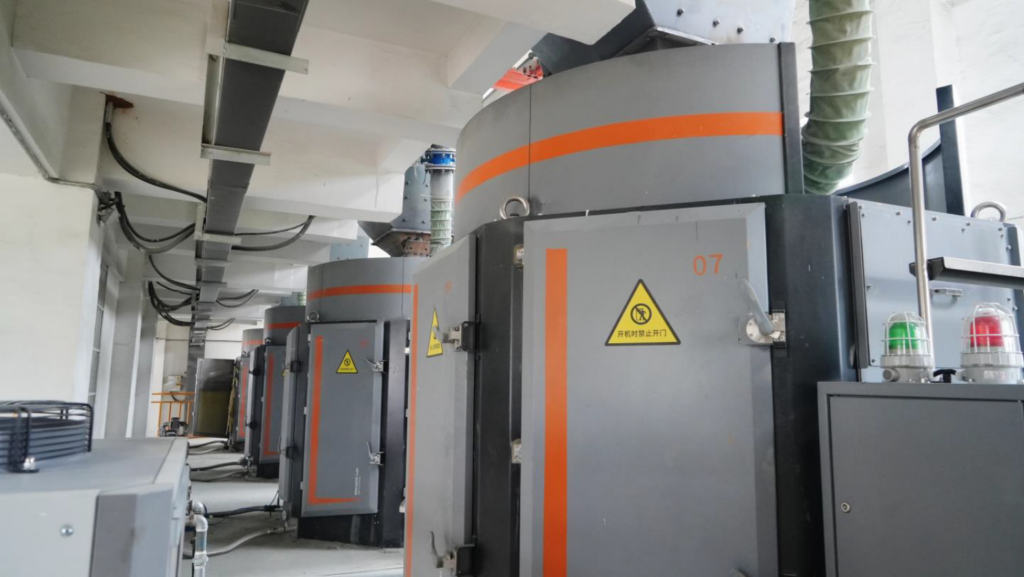
Luanchuan Hengyu Mining Co., Ltd. operates the Hengyu Molybdenum Mine, a 6,500 t/d operation that processes ore with a raw grade of just 0.046% molybdenum. At that grade, every ton of waste rock that reaches grinding and flotation carries a real cost in power, reagents, and tailings capacity spent on material that will never yield metal. John Finlay delivered this cost installation, fitting four Circle Series sorters to pull that waste out before it gets there.
Solution
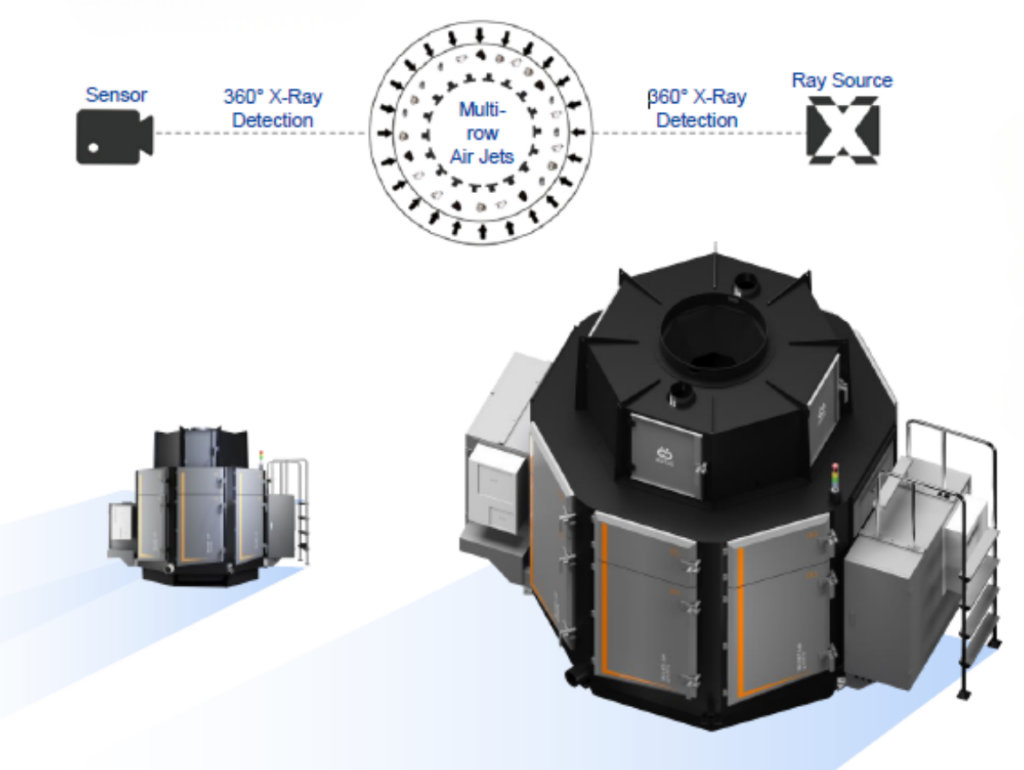
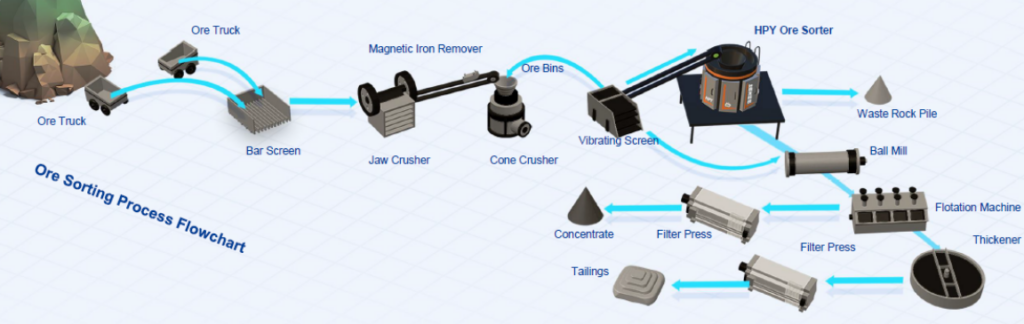
Four Circle Series ring-shaped sorters were installed to pre-concentrate the +10–45mm fraction ahead of the beneficiation circuit, rejecting barren rock while holding onto the mineralized fraction for further processing.
Equipment and Performance
1. Sensor-Based Pre-Concentration
● Machines Used: Machines Used: Four Circle Series C1500 units
● Processing Capacity: 6,500 t/d
● Function: Removes low-grade waste rock from +10–45mm feed ahead of grinding and flotation
Sorting Results
● Raw Ore Grade: 0.046% Mo
● Concentrate Grade: 0.079% Mo
● Waste Rock Grade: 0.018% Mo
● Rejection Rate: 42%
● Recovery Rate: 86.1%
● Enrichment Ratio: 1.72Benefits and Outcomes
● Economic Efficiency: Rejecting 42% of feed before grinding and flotation cuts the tonnage those downstream stages need to process, lowering power and reagent cost per tonne of contained molybdenum recovered.
● Environmental Impact: Waste rock pulled out at the sorting stage reduces the volume reaching tailings storage.
● Operational Efficiency: Lifting ore grade from 0.046% to 0.079% before flotation, a 1.72x enrichment, gives the downstream circuit a more consistent, higher-grade feed to work with.
Conclusion
At Hengyu, four Circle Series sorters turn a low-grade 0.046% Mo ore body into a workable feed by rejecting 42% of run-of-mine tonnage while holding 86.1% of the contained molybdenum. The result is a 1.72x grade lift before the ore ever reaches flotation, the kind of pre-concentration that makes marginal-grade deposits easier to run economically.