Recovering Value from Waste Rock: White Roach Molybdenum Case Study
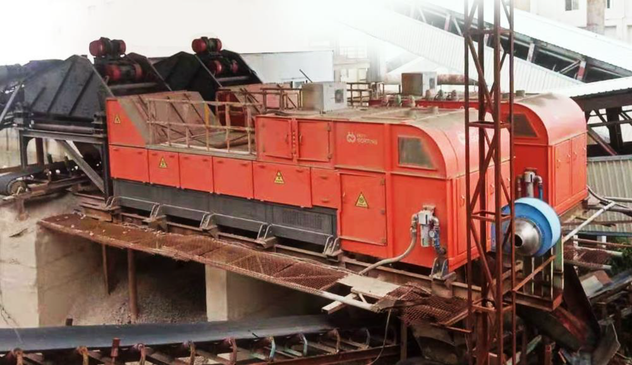
Guangdong Hengxing Economic Development Co., Ltd. operates the White Roach molybdenum operation, processing a +15–40mm ore fraction with a raw grade of 0.175% molybdenum. At this grade, the majority of run-of-mine material carries little to no recoverable metal, so separating that barren rock from the ore-bearing fraction before it reaches downstream processing has an outsized effect on plant economics. John Finlay delivered this installation, using sensor-based ore sorters to reject the barren fraction from the +15–40mm feed and lift the ore grade before further processing.
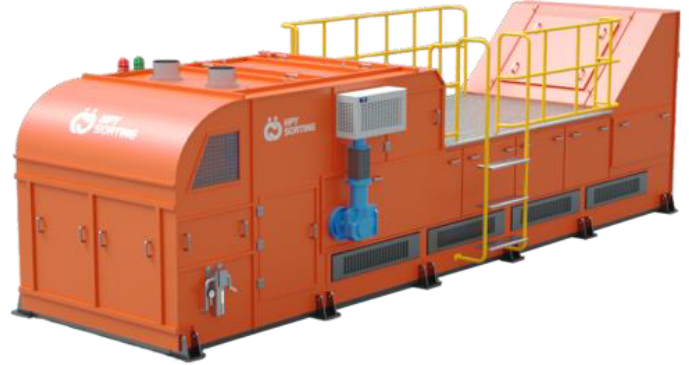
Sensor-based ore sorters were installed to pre-concentrate the +15–40mm fraction, rejecting more than 85% of feed as barren waste rock while holding onto the mineralized fraction for further processing.
Equipment and Performance
1. Sensor-Based Pre-Concentration
● Machines Used: Sensor-based ore sorters
● Feed Particle Size: +15–40mm
● Function: Removes low-grade waste rock from +15–40mm feed ahead of downstream processing
Sorting Results
● Raw Ore Grade: 0.175% Mo
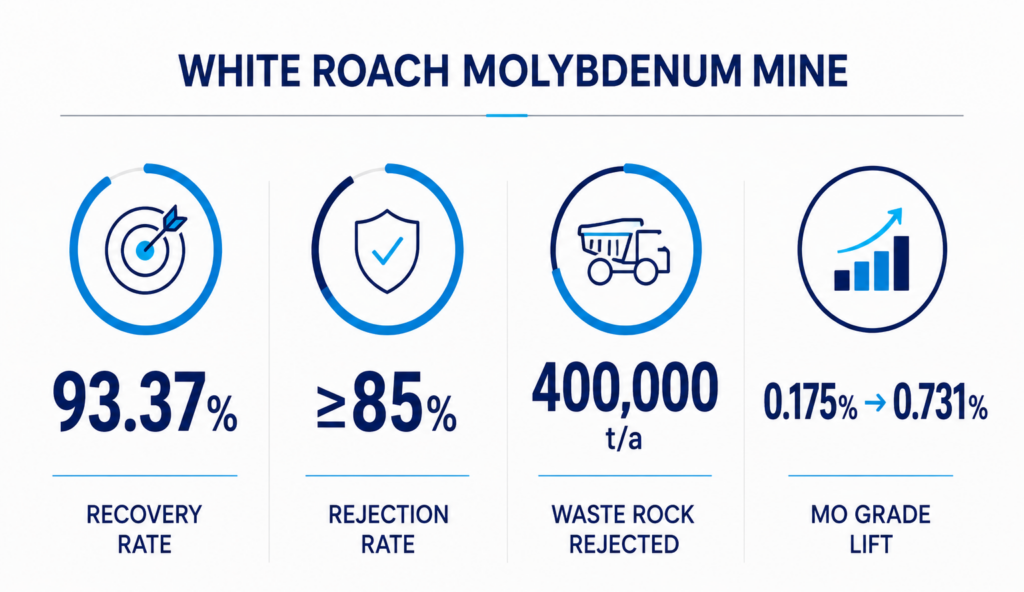
● Concentrate Grade: 0.731% Mo
● Waste Rock Grade: 0.015% Mo
● Rejection Rate: ≥85%
● Recovery Rate: 93.37%Benefits and Outcomes
● Economic Efficiency: Rejecting more than 85% of run-of-mine feed while still recovering 93.37% of the contained molybdenum means downstream processing only has to handle a small, upgraded fraction of the original tonnage, sharply cutting cost per unit of recovered metal.
● Environmental Impact: With roughly 400,000 t/a of waste rock rejected before it reaches the processing plant, tailings storage requirements are reduced substantially.
● Operational Efficiency: Concentrate grade rises more than fourfold, from 0.175% to 0.731% Mo, giving the downstream circuit a smaller, far more consistent, higher-grade feed to work with.
Conclusion
At White Roach, the sensor-based sorting system rejects more than 85% of the run-of-mine feed as barren rock, while still recovering 93.37% of the contained molybdenum, which increases the concentrate grade more than fourfold before the ore reaches downstream processing. It shows that aggressive, selective rejection and high metal recovery aren’t a trade-off when the sorting technology can tell ore from waste at this resolution.